Category: Technology

Blockchain in 2026: From Speculation to Real Utility

In 2026, blockchain is no longer about hype, tokens, or speculation. It is about real utility, trust, and systems that solve actual problems. In this article, I share my thoughts on where blockchain is heading, why projects like Kooaia Network still matter, and why now may be the right time to revisit both Blockchain and Artificial Intelligence with a more practical and purposeful approach.

Read More

The Rise of Everyday AI: How Artificial Intelligence Became Invisible but Indispensable

Artificial Intelligence isn’t just powering the future; it’s already quietly shaping our present. From the way our phones predict our habits to the routes our cars choose before we even ask, AI has woven itself into daily life so seamlessly that we no longer see it. The world is busy talking about AI as a revolution, but the real transformation is a silent and invisible layer of intelligence running beneath everything we do. This article explores how AI became both invisible and indispensable, the paradoxes it created, and why its greatest power lies not in what it shows, but in what it hides.

Read More

The Future of Real Estate: How Technology Is Redefining the Way We Buy, Sell, and Invest

Real estate is shifting to a data-driven era. AI valuation, tokenized ownership, green and sensor-rich buildings, plus immersive, AI-first platforms are redefining how people buy, sell, and invest. This piece maps the trends, risks, and opportunities, and what they mean for buyers, developers, brokers, and regulators.

Read More

The Age of Language Runtimes: Why Everything Compiles and Interprets

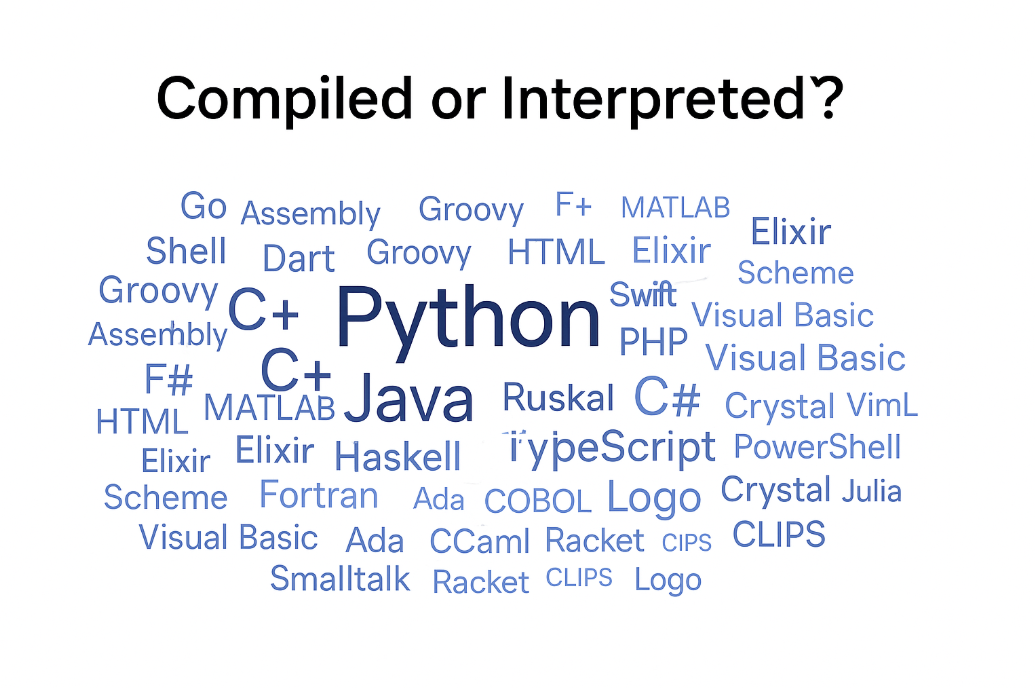
For decades, developers argued about whether a programming language was compiled or interpreted. Today, that question doesn’t even make sense anymore.

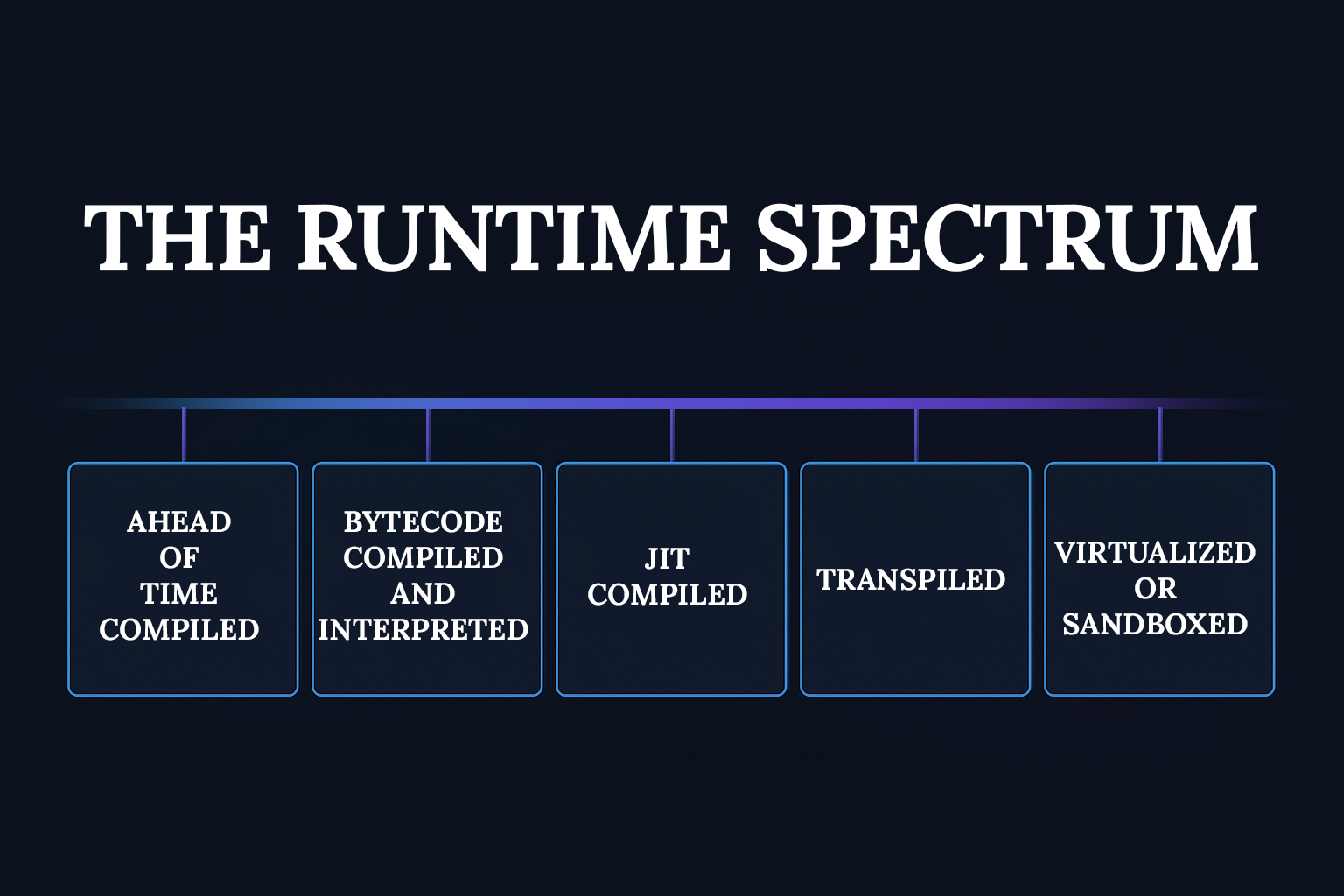
We’ve entered the age of language runtimes, a world where your code might be compiled, interpreted, JIT-compiled, optimized at runtime, cached, sandboxed, or even executed inside another runtime (inside another runtime).

Read More

Beyond Compiled vs Interpreted: How Programming Languages Evolved Beyond Two Categories

For decades, programming languages were simply classified as compiled or interpreted. Today, that line has completely blurred. From Java’s bytecode and virtual machines to modern JIT and AOT compilers, languages now live on a spectrum that blends performance, flexibility, and portability. Here’s how this evolution reshaped the way code runs in the modern world.

Read More